
Main Panel Upgrades
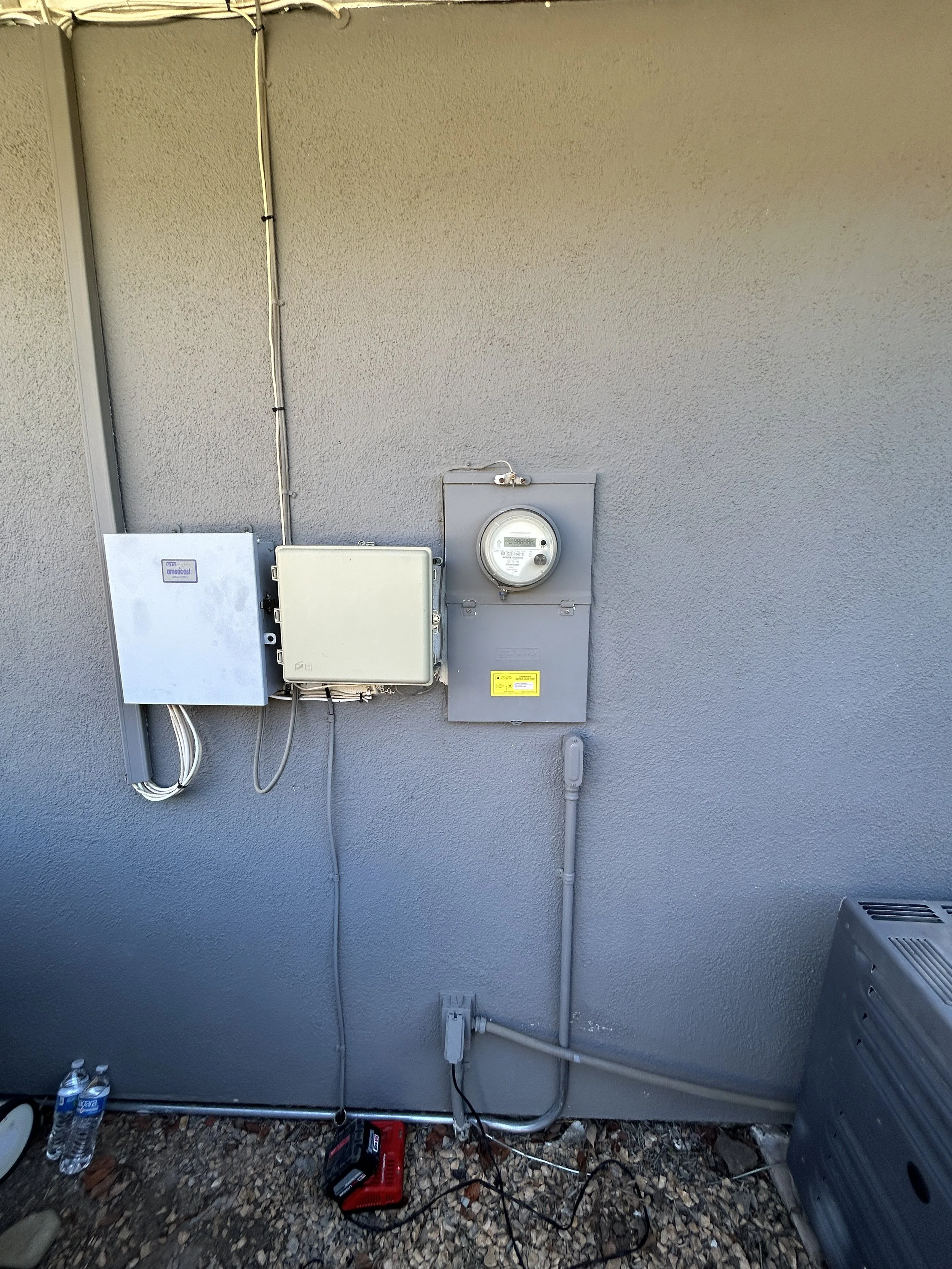
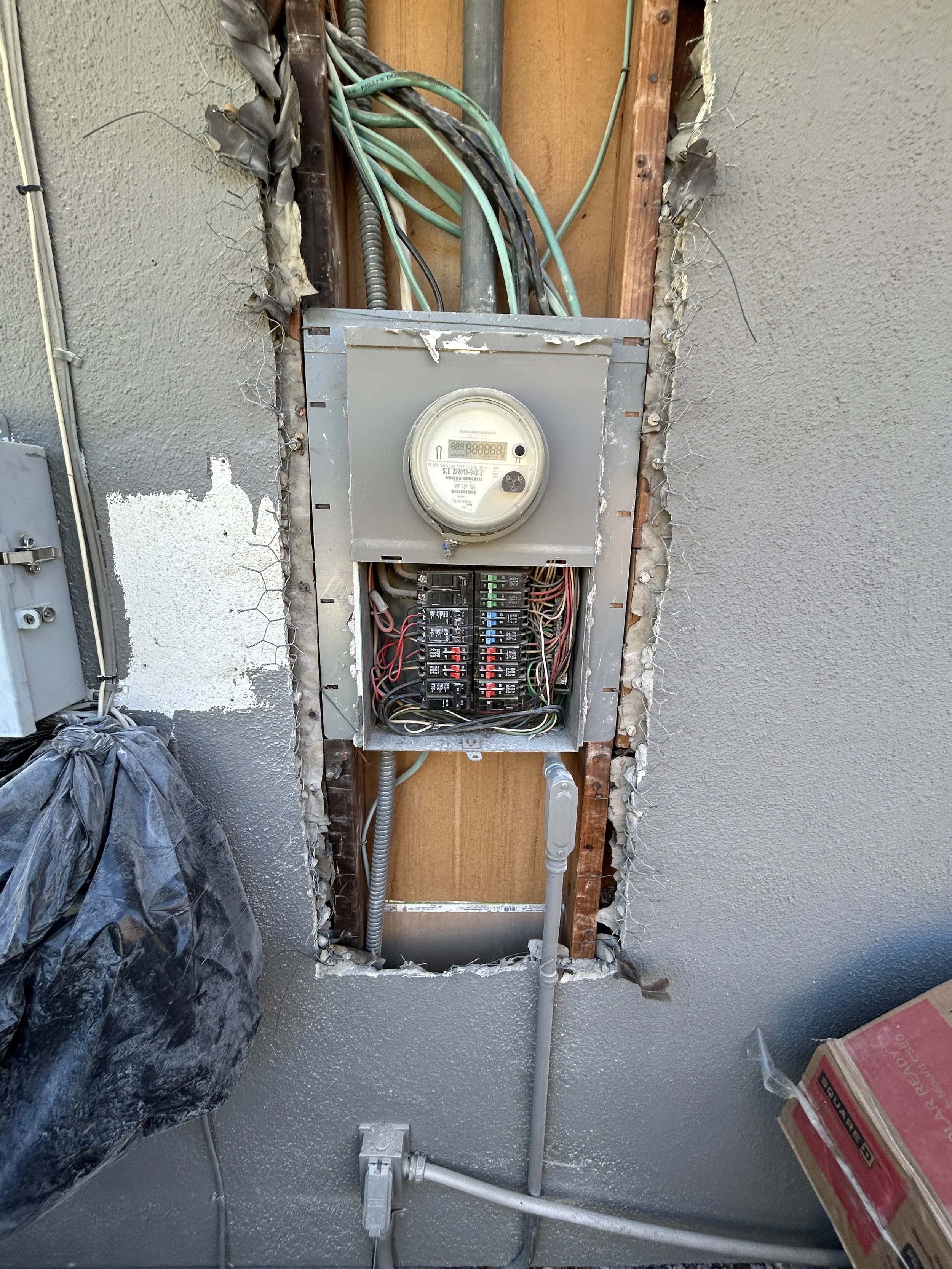
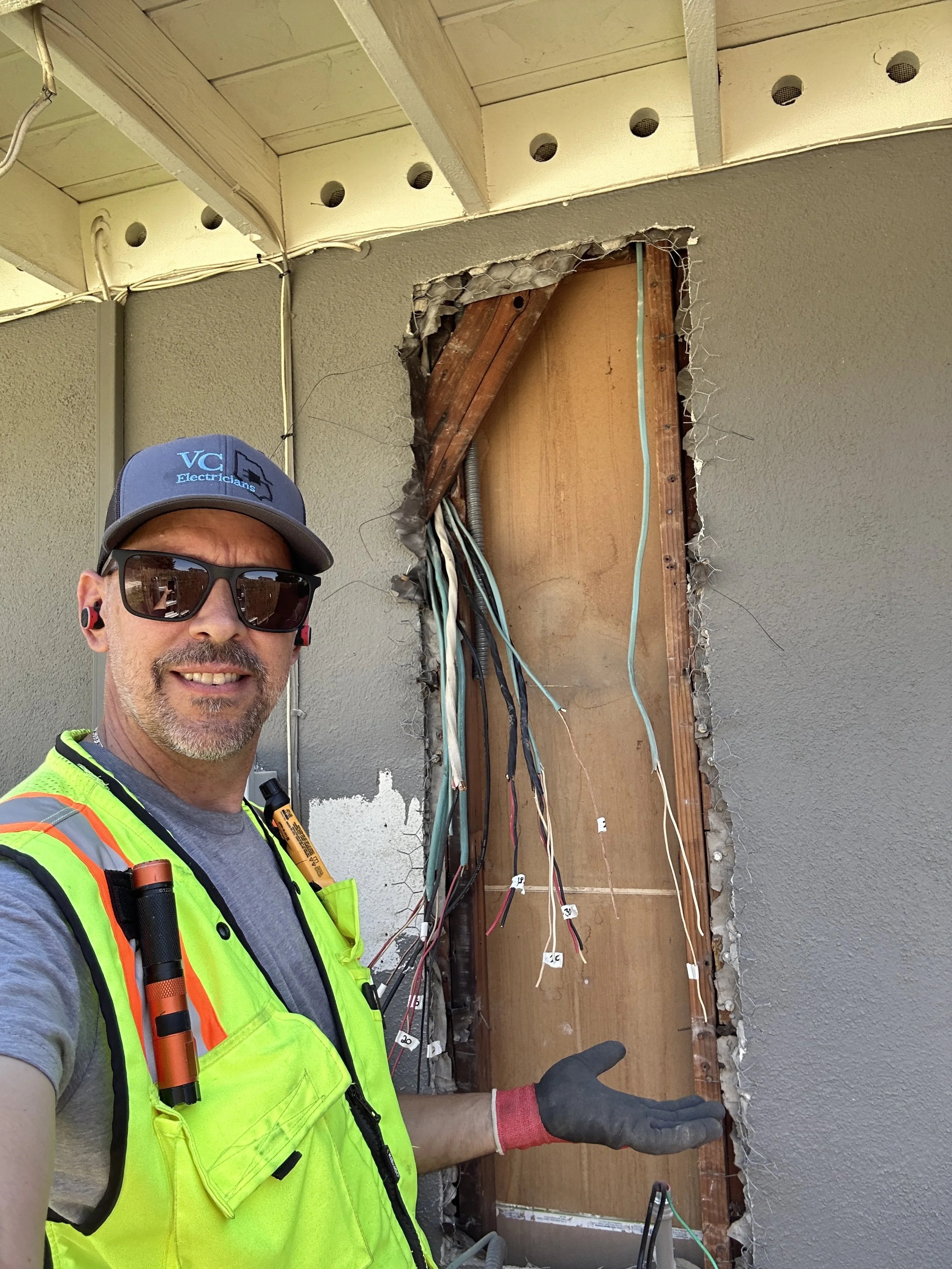
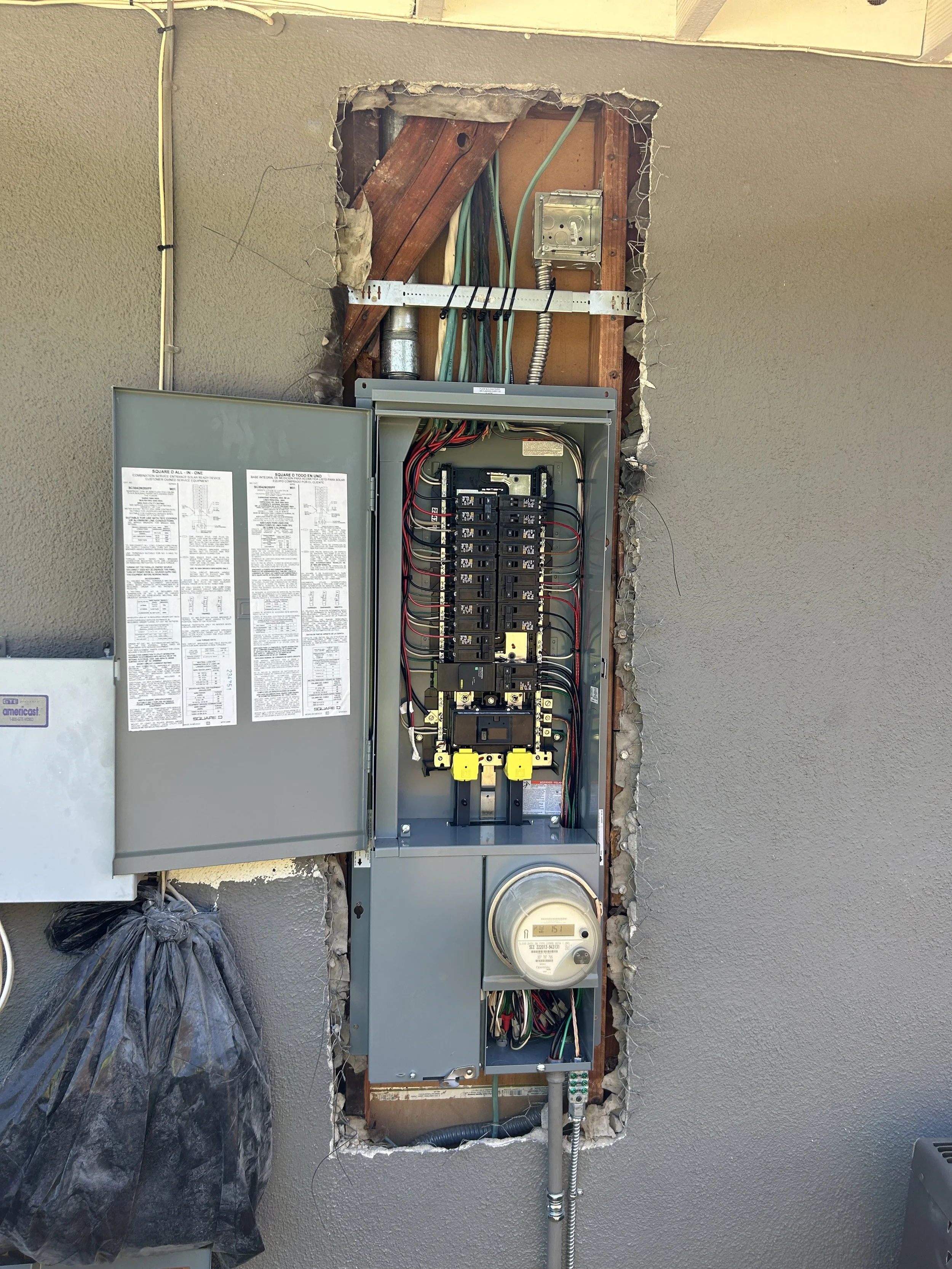
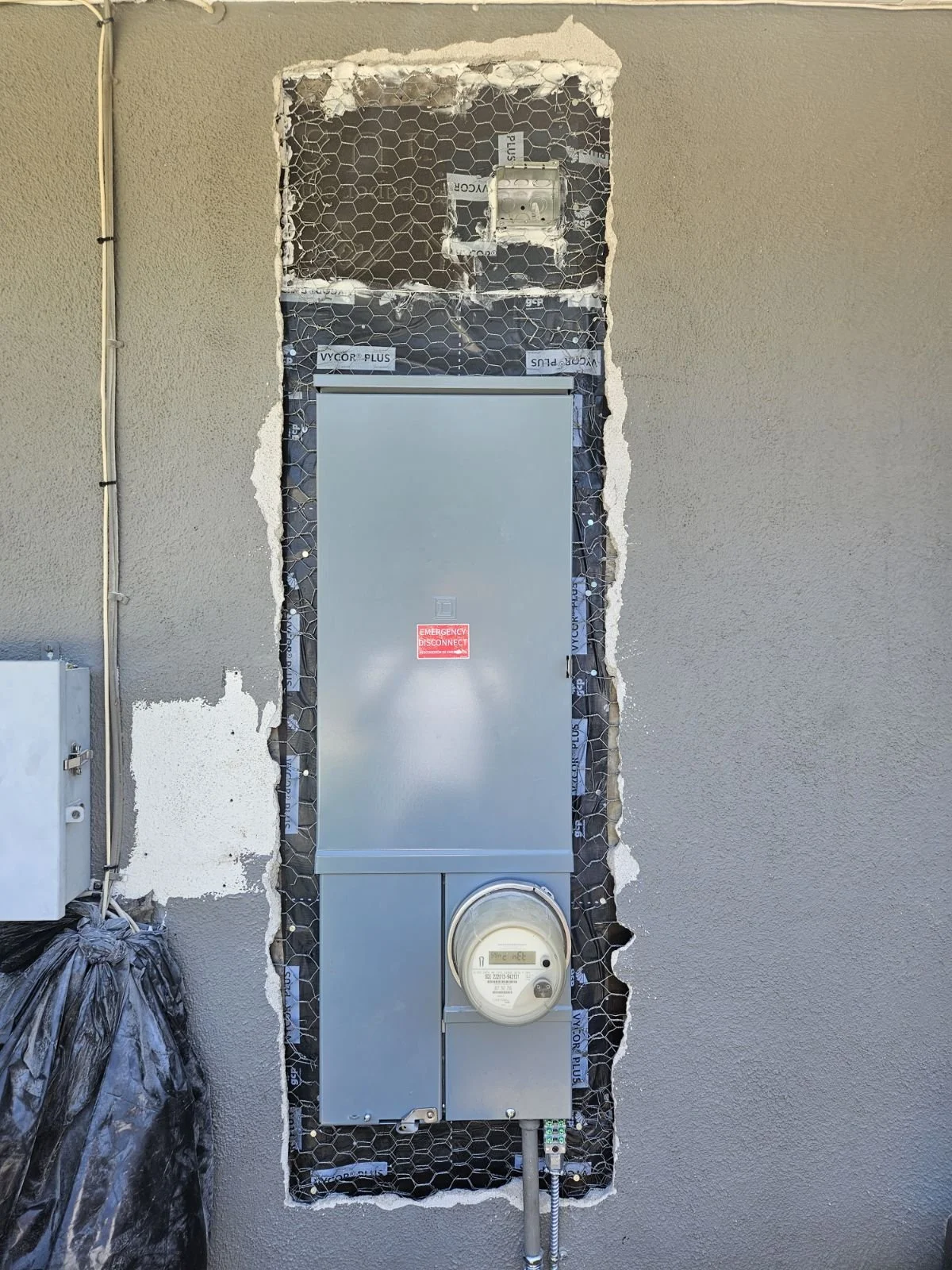
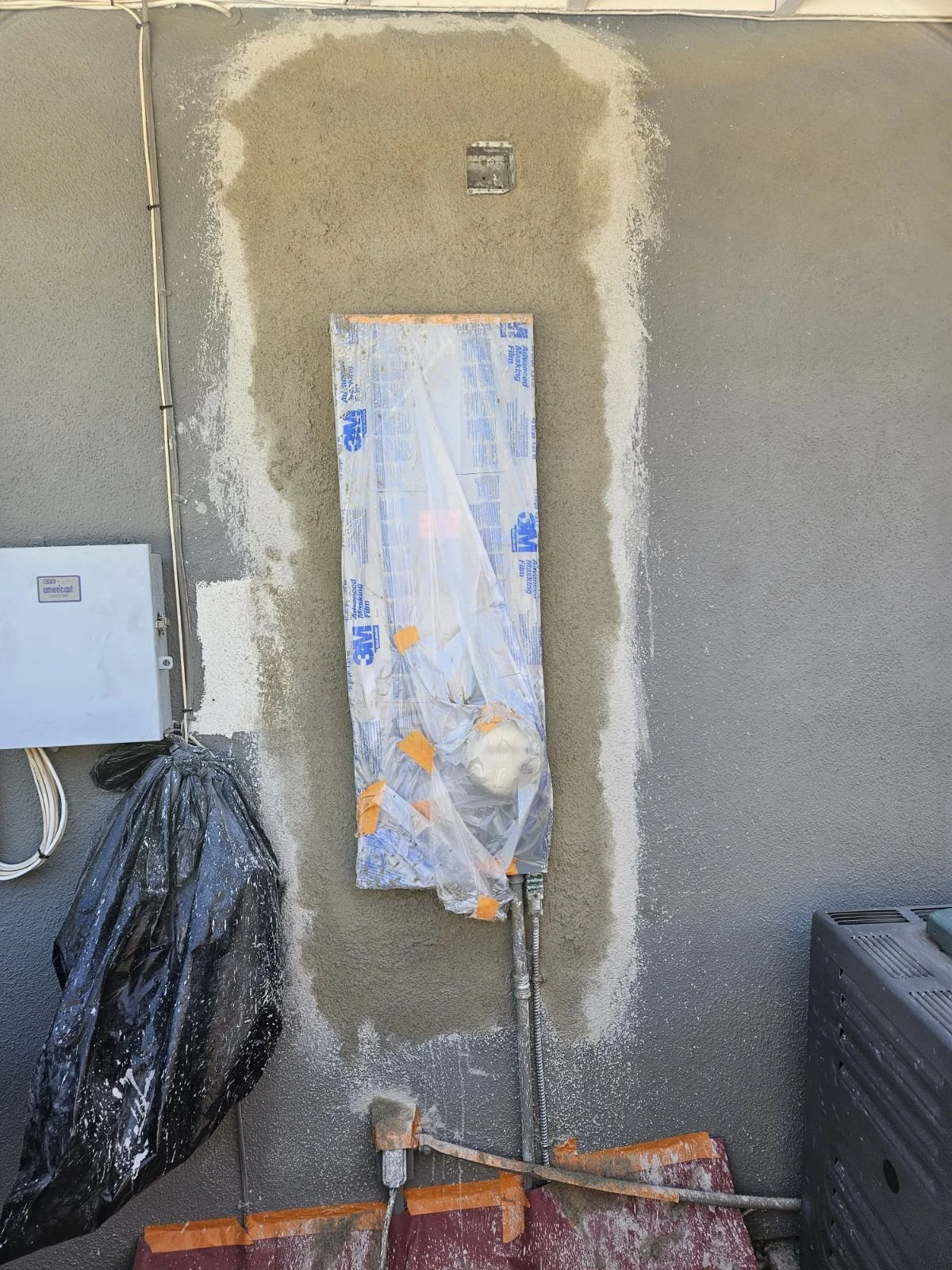
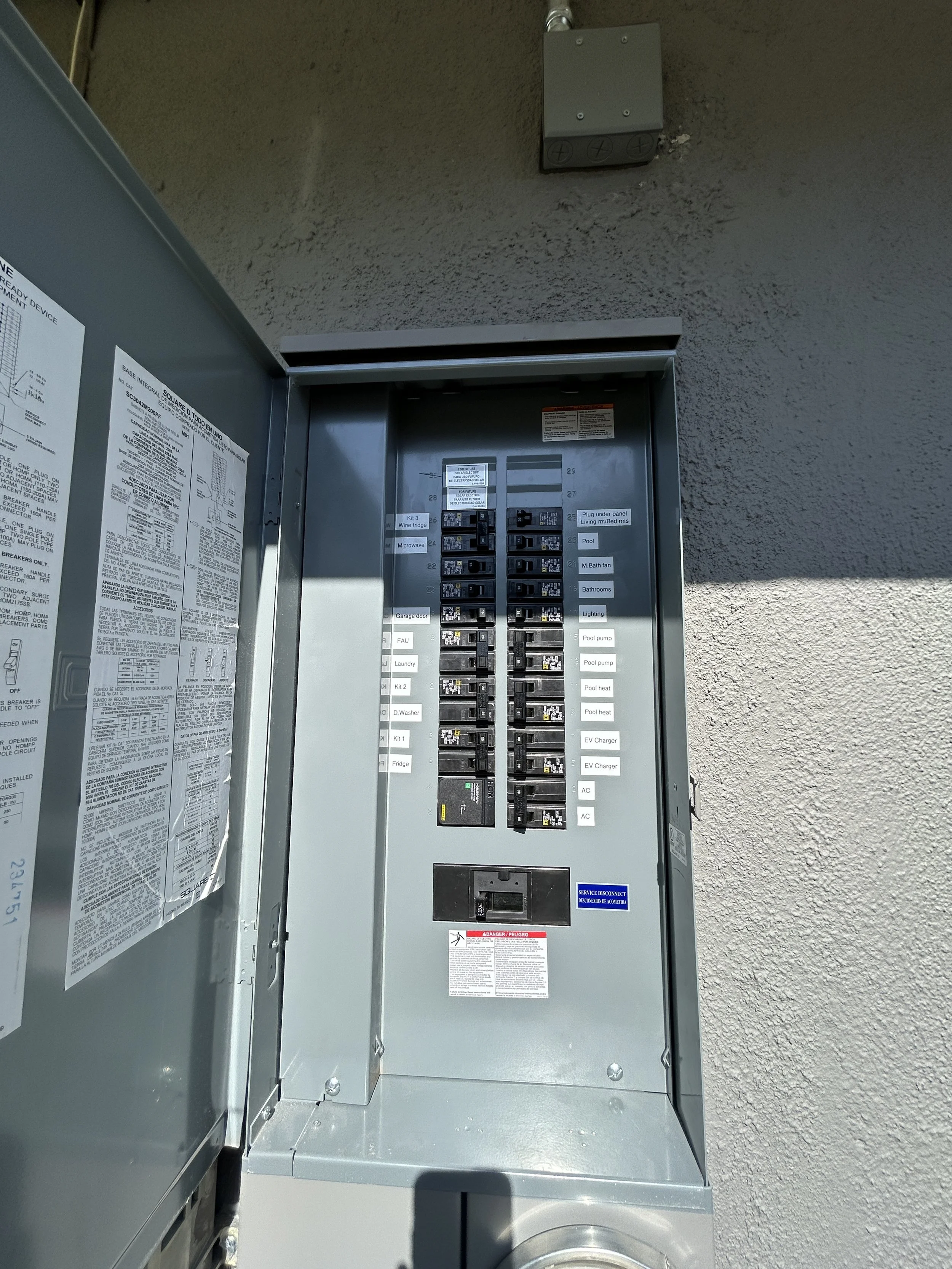
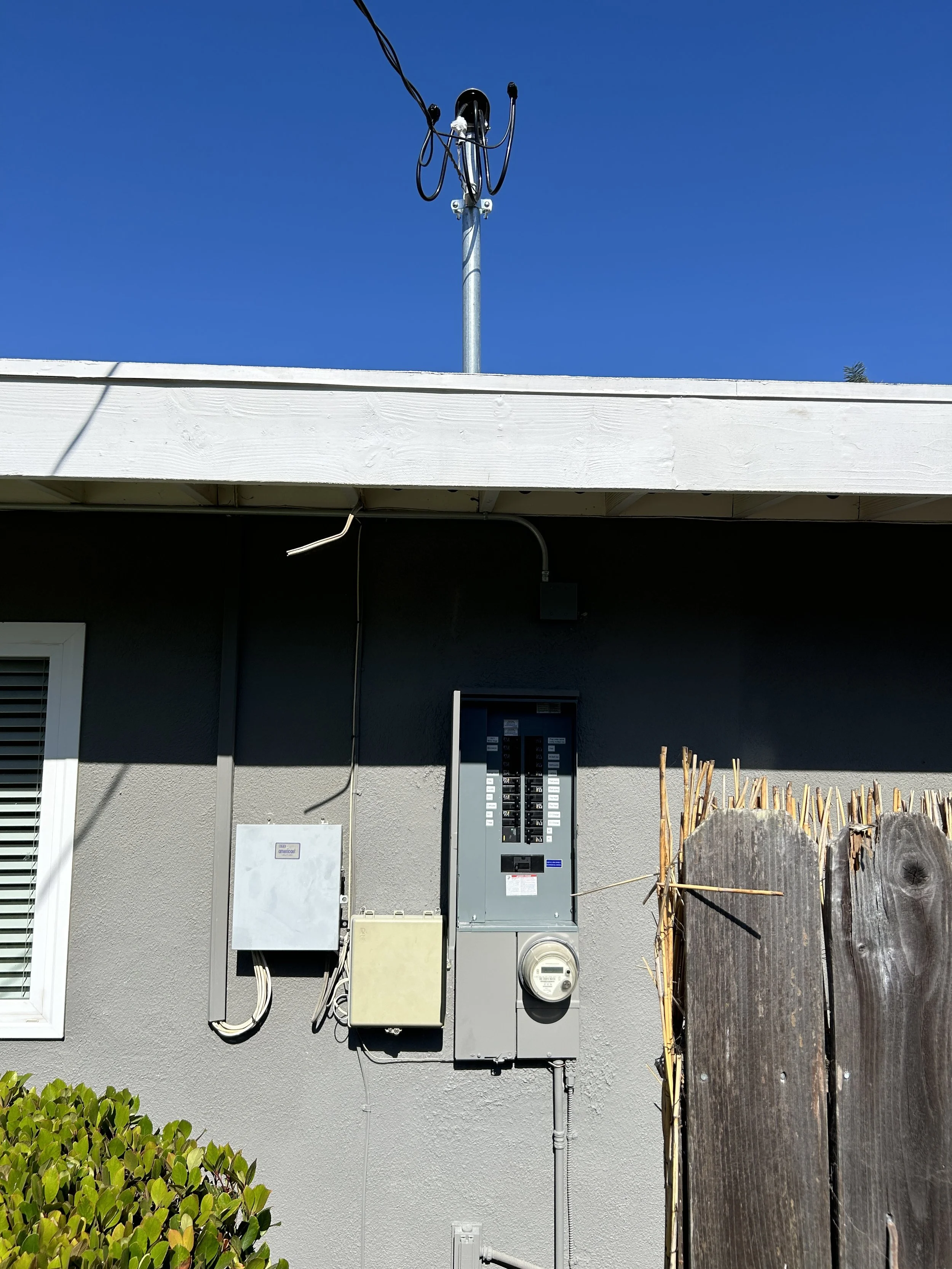
Here are a few reasons homeowners should upgrade their main electrical panel:
Your home can't keep up with modern demand. Most older homes were built with 100-amp panels, designed for a fraction of the devices we run today — EVs, heat pumps, multiple TVs, home offices, and smart appliances all add up fast. A 200-amp upgrade gives your home room to breathe.
Frequent breaker trips are a warning sign. If breakers are tripping regularly, it's not just annoying — it means your panel is being pushed past its limit. That's a safety issue, not just an inconvenience.
You're planning a major upgrade. Adding an EV charger, solar panels, a hot tub, or a home addition almost always requires a panel upgrade first. Getting it done early saves you from paying for two service calls.
Your panel is outdated or recalled. Brands like Federal Pacific and Zinsco were common in homes built between the 1950s–1980s and are known to fail without tripping — a serious fire risk. If you don't know your panel brand, it's worth finding out.
It increases your home's value. A modern 200-amp panel is a selling point. Buyers and home inspectors flag outdated panels immediately, and it can hold up or kill a sale.
Your insurance may require it. Some homeowners insurance providers in California won't cover — or will charge more for — homes with older panels, especially Federal Pacific or fuse-box style setups.